
Tag: Immunizations

Flu Shot on Campus

Helping Your Campus Thrive During Flu Season

A Shot of Prevention: Helping Your Campus Thrive During Flu Season

Around 49.4% of college students in a 2024 survey said they had received a flu vaccine within the last 12 months. Although flu shot promotion on college campuses has increased in recent years, there’s still progress to be made. Influenza outbreaks have proven to be a significant cause for concern among college students. Living in dorms and the high levels of social interaction on campuses make college students particularly susceptible to spreading the flu. However, with the right strategies, it’s possible to encourage flu shot compliance and reduce the impact of seasonal outbreaks on college campuses.

The Impact of Flu Shots on Student Health and Well-being

The impact of flu shots on student health and well-being cannot be overstated. Contracting the flu can have serious consequences for college students, leading to missed classes and exams, decreased academic performance, and even hospitalization in some cases. Some studies even suggest that the flu can exacerbate symptoms of anxiety and worsen mood. By getting vaccinated, students not only protect themselves but also contribute to the overall health and well-being of the campus community.

Furthermore, flu shots have been shown to reduce the severity of flu symptoms, even in cases where individuals still contract the virus. Receiving the flu vaccine can prevent students from missing out on their classes, and social events, and most importantly, prevent the spread to other students, faculty, and staff.

In addition to the health benefits, flu shots also have economic implications for some college students. Influenza outbreaks can lead to increased healthcare costs, missed work opportunities, and additional financial burdens for students. It’s essential for administrators to promote immunization adherence to help reduce these possible financial strains and ensure that students can focus on their education without unnecessary worries.

How to Encourage Flu Shot Compliance on Campus

One of the key challenges in promoting flu shots on campus is overcoming vaccine hesitancy among college students. Many students may have misconceptions about the flu shot or may be skeptical about its efficacy. However, research has consistently shown that the flu shot is safe and effective in preventing influenza. To address this issue, it’s important to provide accurate and evidence-based information about the flu shot to your students (plus faculty and staff).

One effective approach is to partner with student health organizations and health promotion teams to disseminate information about the flu shot. These trusted sources can help debunk common myths and answer any questions or concerns that students may have. Additionally, utilizing social media platforms and campus-wide email communications can help reach a broad audience and provide information about the importance of flu shot compliance.

Furthermore, making getting a flu shot as quick, convenient, and cost-effective as possible is key. Hosting flu shot clinics in highly visible, centrally-located locations can make it easier for students, faculty, and staff to get vaccinated. You can even experiment with offering incentives to those who get vaccinated – such as entering them into a raffle. Creating a positive and rewarding experience around flu shot compliance may motivate more students to get vaccinated.

It’s also crucial to address any financial barriers that may prevent students from getting vaccinated. Offering free or low-cost flu shots can help eliminate costs as a deterrent. Additionally, collaborating with local pharmacies or healthcare providers to offer discounted flu shots can make them more accessible.

Communication is Key

Another effective strategy to encourage flu shot compliance on campus is to host educational workshops and seminars on the importance of vaccination. These events can be led by medical professionals or health promotion specialists who can provide detailed information on the benefits of the flu shot and address any concerns raised by students. By engaging students in interactive discussions and providing them with the opportunity to ask questions, these workshops can help dispel myths and misconceptions surrounding the flu shot.

Along with workshops, campus-wide awareness campaigns can be organized to promote flu shot compliance. These campaigns can include informative posters, flyers, and banners strategically placed in high-traffic areas such as dormitories, dining halls, and classrooms.

Collaborating with student organizations can also be an effective way to encourage flu shot compliance. By partnering with groups that have a large and diverse membership base, such as fraternities, sororities, clubs, and sports teams, the message about the importance of flu shots can reach a wider audience. The message might even be heard more coming from their peers. These organizations can help organize on-campus vaccination drives and promote flu shot compliance among their members through peer-to-peer communication.

Lastly, it’s important to continuously evaluate the effectiveness of flu shot promotion efforts on campus. Collecting data and creating reports that track vaccination rates, plus conducting surveys to gauge student attitudes and beliefs about the flu shot, can provide valuable insights for improving future campaigns. By regularly assessing the impact of these initiatives, universities can refine their strategies and ensure that they’re effectively encouraging compliance on campus.

Key Takeaways

Promoting flu shots on college campuses is vital for preventing seasonal outbreaks among college students. By implementing strategies to encourage flu shot compliance, college administrators can help protect the health and well-being of their student population. It’s crucial to educate students about the benefits of vaccination, prioritize the availability of on-campus flu shot clinics, and tap into various communication channels and student groups to reach a broad audience. By implementing these strategies, campuses can create a culture of compliance and reduce the impact of influenza outbreaks on their staff, faculty, and students.

Ready to boost compliance on your campus? Discover Medicat’s immunization compliance tracking capabilities. 

Industry Articles

Recent Medicat News

Continue reading

Student Immunization Compliance

6 Proven Strategies to Enhance Student Immunization Compliance

Immunization compliance is an integral part of the college enrollment process. With the rush of students coming in each semester (and especially over the summer months), this can be a stressful and time-consuming task for your clinic’s staff.

For healthcare students who take part in clinical and residency programs, even more vaccines (and therefore verifications) are likely required. With all of the various requirements of the different programs, it can be challenging to efficiently collect and verify student immunization data at scale.

In addition, your immunization verification process also needs to maintain compliance with data protection rules set by the Health Insurance Portability and Accountability Act (HIPAA) and the Family Educational Rights and Privacy Act (FERPA).

Lastly, new standards for health and safety may be periodically established for future infectious diseases, such as COVID-19. This makes it even more critical to efficiently manage an immunization compliance program.

How to Improve Your Student Immunization Compliance Process

Collecting and verifying immunization records is complex and time intensive. Plus, it requires cooperation and communication from students. Despite the challenges of collecting and verifying substantial amounts of student health data, there are steps you can take to make this process less painful for all involved.

Implementing the following measures will enable your clinic to experience the advantages of a streamlined and regulatory-compliant immunization management system:

  1. Establish a reasonable timeline. Ensuring that students are aware of when their immunizations are due is essential for compliance. Letting students know well in advance will give them enough time to properly gather and submit their immunization records. Less stress for them means less stress for you!
  2. Communicate requirements clearly. College students have a lot on their plate, especially incoming first-year students. It’s critical to clearly outline immunization requirements. This is especially true when outlining specific requirements for different academic programs, as mentioned above.
  3. Establish safe and secure reporting. Utilizing an EHR that has reporting capabilities can make a significant impact on immunization compliance efforts. Reporting features allow clinic staff to create customized cohorts, leverage advanced filtering, and view real-time compliance status, allowing for more accurate and transparent tracking.
  4. Automate manual verification processes. Manually verifying immunizations is extremely time-consuming. Having the ability to automate the process with an effective EHR is going to speed up the process significantly.
  5. Use technology to communicate at scale. Automated messaging tools can help you send out reminders to students regarding certain immunization requirements and deadlines. This can alleviate the burden on staff responsible for contacting students via phone or email.
  6. Integrate with applicable systems. A game changer for immunization tracking is the ability to interface with your state’s registry. This will save time and improve efficiency, resulting in a more streamlined and effective clinic.

Discover what your clinic could accomplish with an effective immunization tracking system. Plus, learn how to bring your campus into full compliance. Ready to explore the advantages of an immunization EHR? See how Medicat can transform the way you manage immunization compliance.

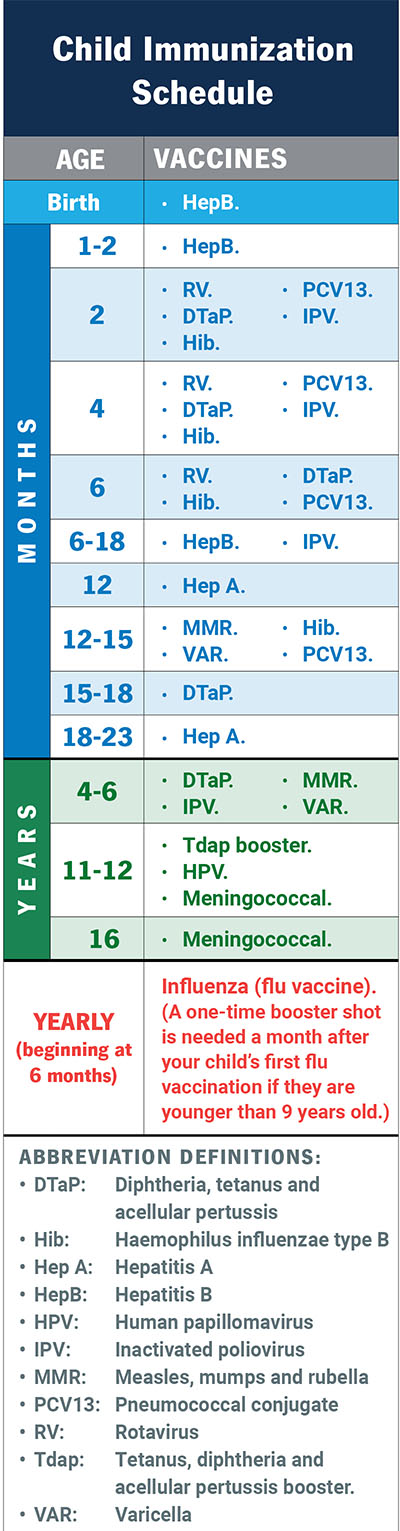
Immunization schedule

Industry Articles

Recent Medicat News

Continue reading

Medicat's EHR System

Your EHR System: 10 Ways Tech Can Help Manage Compliance and Immunization Tracking

1. Real-Time Health Record and Immunization Tracking

The American College Health Association (ACHA) recommends several immunizations for college students, for diseases such as meningitis, measles, and polio. Many of those immunizations must be delivered in multiple doses during specific time frames, making it necessary to track dozens of data points for a single student. A cloud-based EHR system allows you to manage large amounts of student data without feeling like you’re buried in paper. With the aid of one easy-to-use EHR, campus health center staff can track student immunization data and share it with authorized clinical partners when needed.

An EHR streamlines immunization tracking by helping you see what items students have submitted and which ones remain outstanding. In addition to immunization histories, an EHR also allows you to track other health information, such as the following:

  • Health history forms
  • Confidentiality agreements
  • Immunization waivers
  • Driver’s license or other proof of identity, such as a valid photo ID
  • COVID-19 antibody or viral test results

2. Seamless Integrations

An EHR system can be configured for seamless integrations with state immunization registries, increasing accuracy and helping you reduce double entry. Instead of students having to track down their immunization histories, you can obtain immunization records directly from the state registry, depending on their state of permanent residence. It’s one less thing for students to submit and upload into the EHR.

The EHR can also integrate with your student background screening and drug screening system, making it easier to meet other screening requirements set by clinical sites accepting your students for rotation or residency programs.


3. Flexibility to Include New Tests and Immunizations

As health and safety requirements change, you need an EHR with the capability to include new immunizations and tests as they become available. The ideal EHR system provides the tools and support you need for tracking, testing, notifications, and reports. Students can also access a mobile dashboard to help them comply with any requirements you may have.

4. Compliance with HIPAA and FERPA Requirements

Since EHR systems contain sensitive health information, all student health and immunization data must be stored and shared according to HIPAA and FERPA rules for data protection. With the aid of HIPAA-compliant messaging and trained EHR support staff, you have the benefit of encrypted, secure communication about student health data. You can also limit EHR access to authorized individuals.


5. Automatic Alerts and Reminders

Without an efficient method for monitoring student compliance, tracking your progress against important deadlines can be challenging. An EHR automates the compliance tracking process by sending out communications and reminders, so you don’t have to do it manually. The system can send mobile alerts to students via text, giving them instructions for follow-up and details about outstanding documents. Your EHR system can also be configured to alert program administrators when students submit documents or need assistance.

6. Anytime Student Access

Using digital tools makes it easier for busy college students to provide their requested health and immunization data. An EHR with an online portal for students allows them to upload medical history and immunization data, so you avoid manual re-entry and unsecured communications about health data.

In addition, an EHR provides students with tools for completing forms, scheduling appointments, and messaging program administrators. Students who don’t need to visit or call the campus health center can get assistance online.


7. Program Setup Support

When you begin using an EHR system, you can hit the ground running and make the most of your new technology and features. Implementation support and resources help you begin collecting and tracking student documentation more efficiently.

For example, a template library with 250+ college health templates allows you to design your program without reinventing the wheel. Also, an easy-to-use “Form Builder” helps you create custom forms, so you can tailor your program to meet changing requirements from clinical site partners.


8. Reporting Tools

An EHR system organizes health and immunization data so you can run reports and identify trends across your student population. With dynamic reporting tools, your EHR can help you analyze student compliance and identify pockets of concern or areas requiring additional follow-up. Also, a responsive dashboard allows you to view and compile data to help you see year-over-year trends and understand your program better.


9. Access to Healthcare Professionals

Collecting immunization records, testing results, and other medical data requires a mechanism for verifying accuracy. Furthermore, for students participating in clinical rotations or residency programs, verification is necessary to make sure the information you receive meets clinical site requirements. Without proper verification, you can unknowingly accept invalid or incomplete student immunization and health data.

When your EHR is supplemented with HIPAA-trained medical specialists, you can verify student-submitted data within a secure environment and provide students with guidance for re-tests, boosters, and other follow-up appointments as needed.


10. A High Standard of Data Security

Data security is a must when dealing with sensitive student health information, so your EHR must allow you to collect and store sensitive information without breaching student privacy. You will benefit from working with a compliance provider who understands meaningful use standards for electronic health records in educational settings. Moreover, when you work with a college health EHR system with Type 2 SOC 2 certification, you get best-in-class cloud-based data security.

Boost Compliance and Tracking with a Comprehensive EHR Solution

EHR technology transforms your immunization tracking program and helps you collect, verify, and report on student health data efficiently. With automated reminders, a portal for student access, and alerts to guide compliance, you can protect the student population from contagious illness and meet clinical site program requirements.

Medicat offers a total integrated EHR solution to help you track student immunizations as well as COVID-19 contact tracing and testing. With Medicat, you can access cutting-edge technology and a supportive team of healthcare professionals to help you achieve an efficient health and immunization tracking program.

The electronic health records (EHR) system isn’t just for doctors’ offices and hospitals. An effective and well-designed EHR system can help you simplify communication and track student health records for greater compliance and efficiency.

How Your EHR System Supports Compliance and Tracking

The student health software solution you use impacts your ability to manage compliance and immunization tracking efficiently. With a paper-based or spreadsheet system, it’s hard to stay on top of what students have submitted, and information can easily fall through the cracks. Using inefficient tracking methods can lead to the following problems:

  • Difficulty keeping student records up-to-date
  • Student reminders must be sent manually
  • Students must submit materials via email or mail
  • Students have no online access to status updates, which increases phone calls to administrators

On the other hand, with comprehensive student immunization tracking technology, you can communicate with all key stakeholders and always know where you stand with student compliance. Instead of manually tracking forms and immunization requirements, an EHR provides you with one centralized point of access for students, program administrators, and third-party integrations.

In addition to its storage capacity, a comprehensive EHR solution also automates data collection and verification. It organizes the data so you can improve student follow-up and reporting. Here are ten benefits you should expect from your EHR system.

Industry Articles

Recent Medicat News

Continue reading